
ABOUT THE HOPE CARD PROJECT
Making critical protection-order information easier to carry and access.
The HOPE Card Project supports practical solutions that help survivors carry essential protection-order information in a durable, accessible format—while preserving the authority of the underlying court order.
THE PROJECT
A practical tool built around access, clarity, and verification.
The HOPE Card Project is focused on improving access to critical protection-order information when and where it may be needed most.
HOPE Cards provide a portable summary of key information from an existing protection order, helping survivors, law-enforcement officers, courts, and other professionals more readily identify and understand the order.
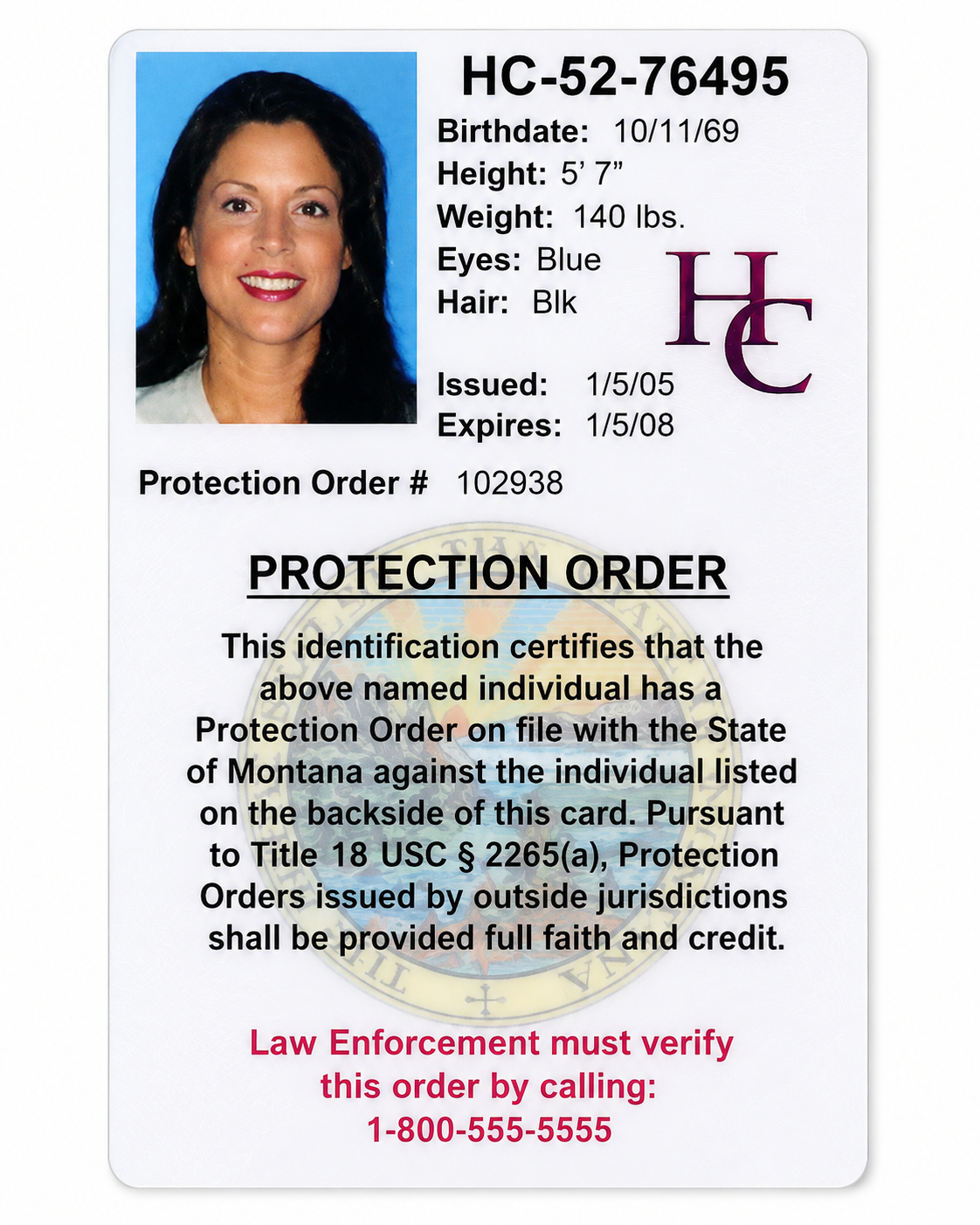
Original 2005 design of the frontside of the HOPE Card.
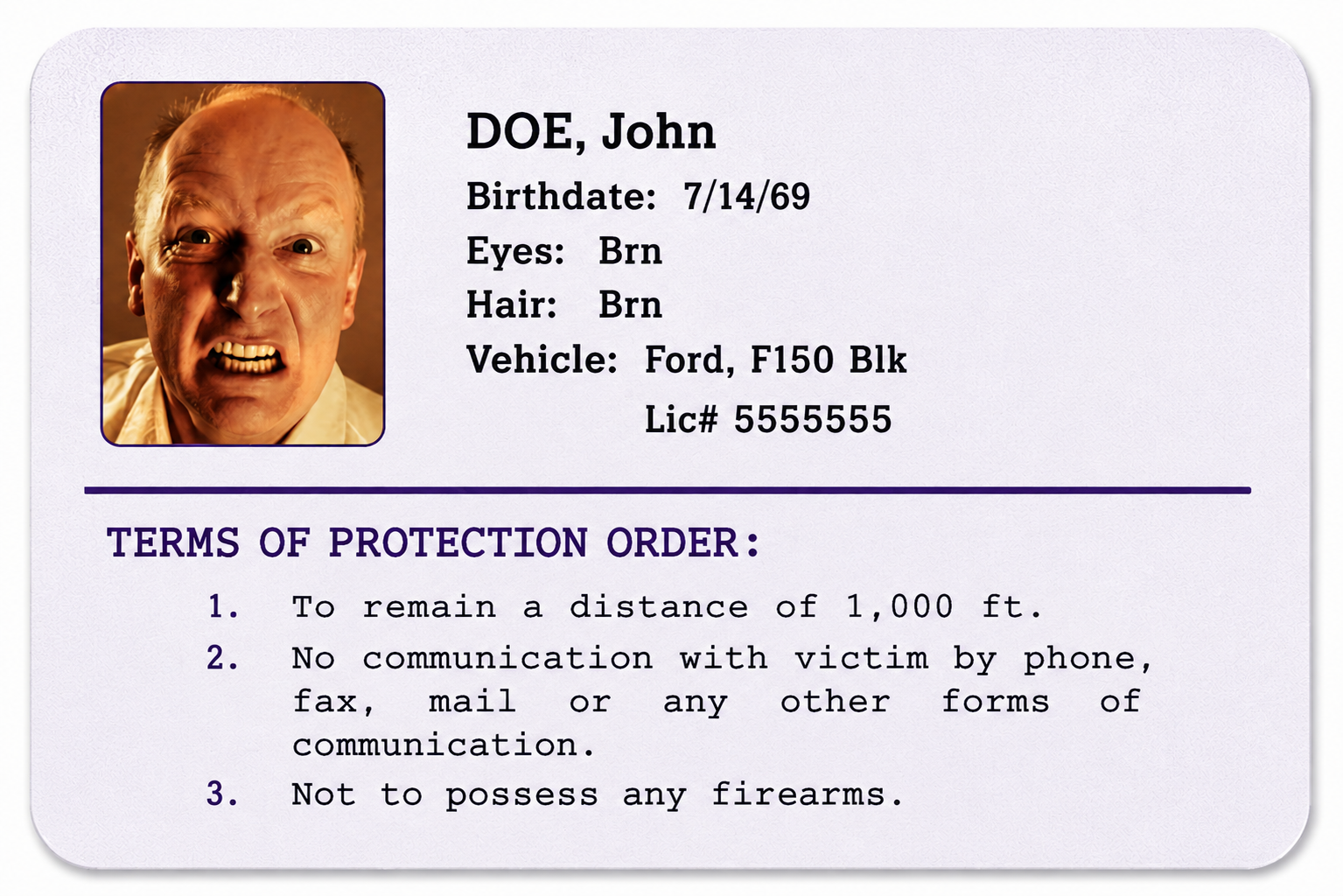
Original 2005 design of the backside of the HOPE Card.
WHY THIS WORK MATTERS
Critical information should be accessible when it matters most.
Protection orders can be lengthy, difficult to carry, and sometimes challenging to verify quickly across jurisdictions. The HOPE Card is designed to make essential information easier to access without replacing the official protection order or the systems used to verify it.
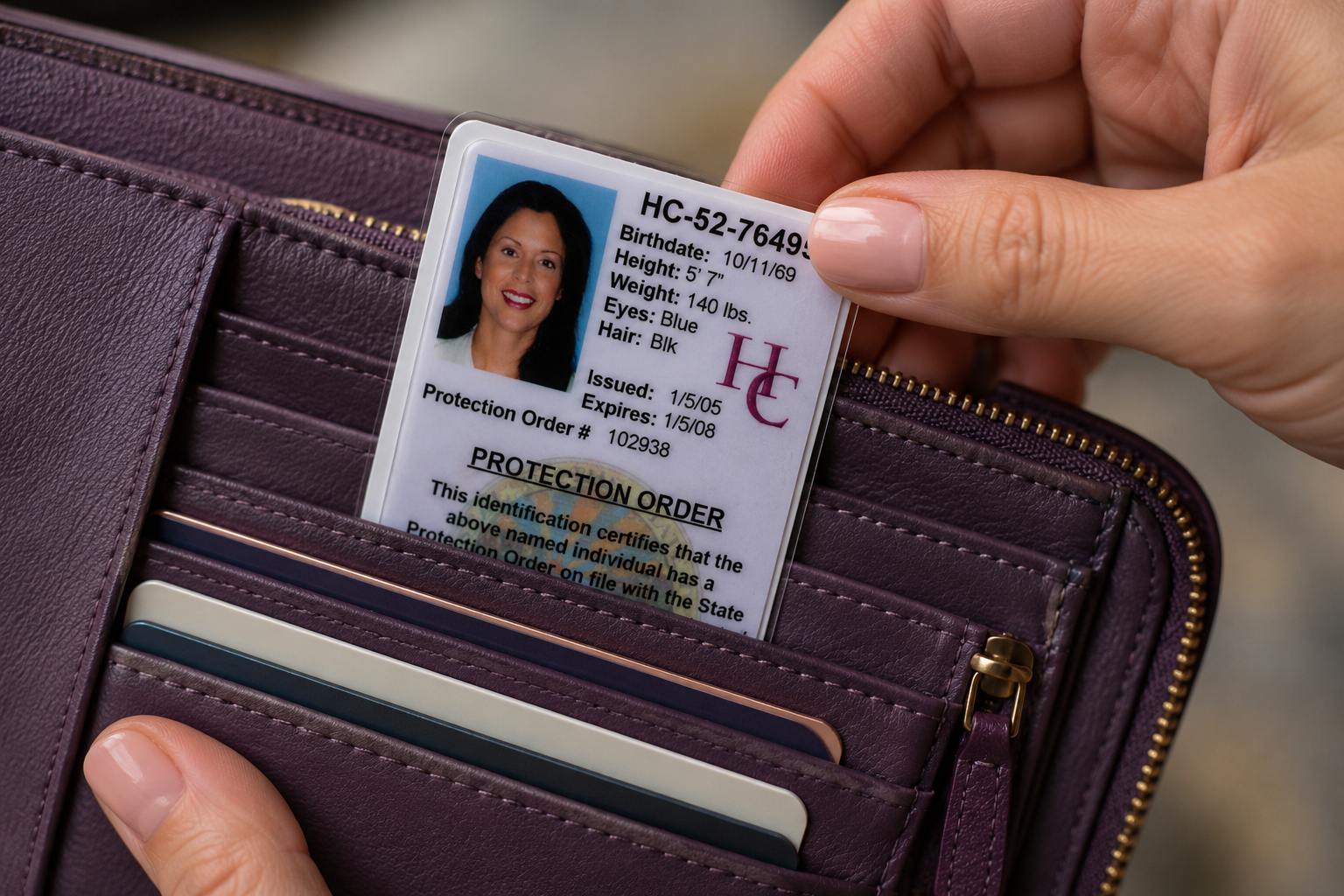
PORTABLE
Essential protection-order information in a format designed to be carried.
ACCESSIBLE
Key information available when survivors and professionals may need it.
SUPPORTIVE — NOT A REPLACEMENT
The HOPE Card supplements the underlying court order; it does not replace it.

Dakota Oliveira, MA
HOPE Card Project
THE PEOPLE BEHIND THE PROJECT
Carrying the HOPE Card forward.
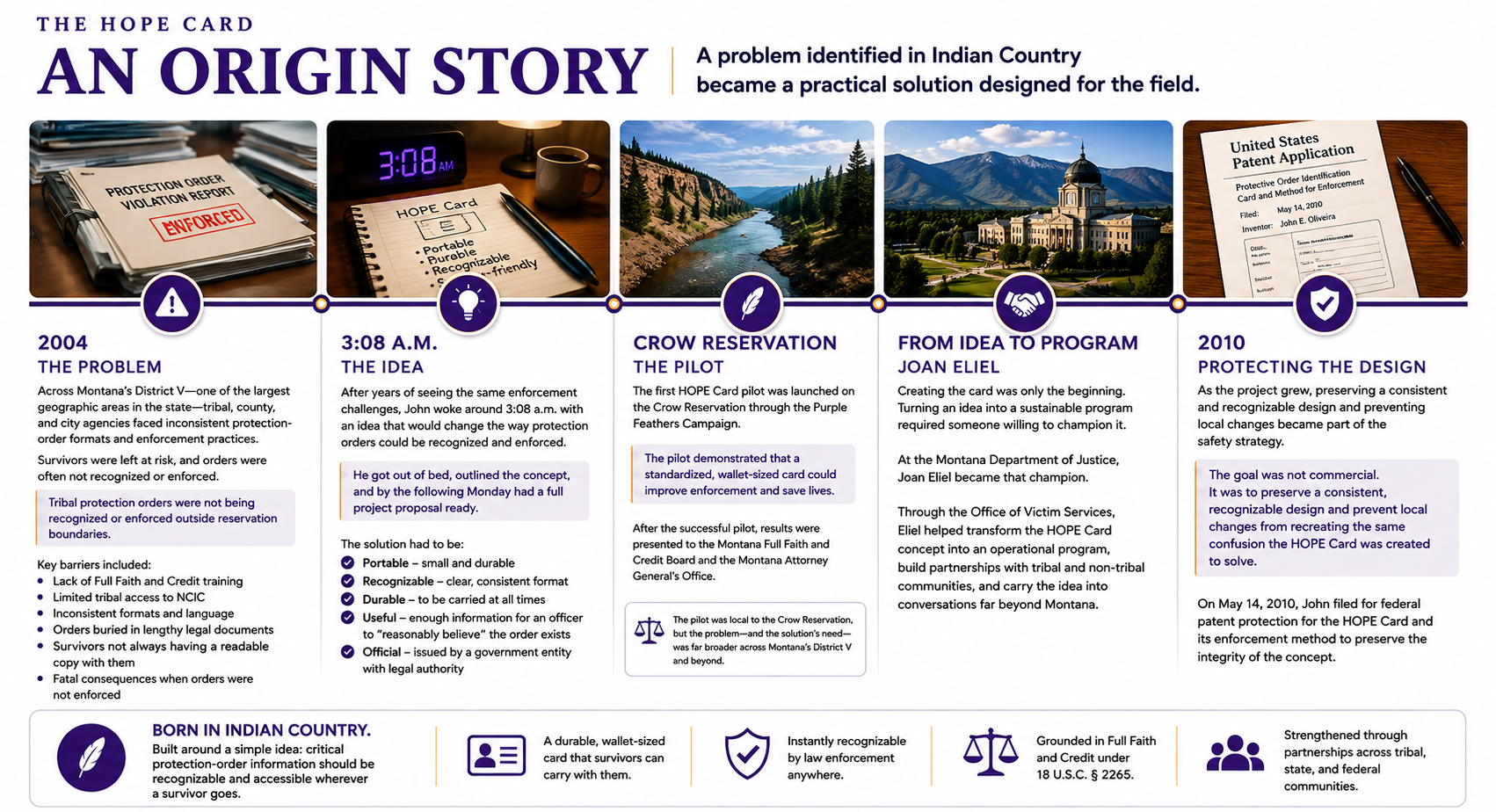
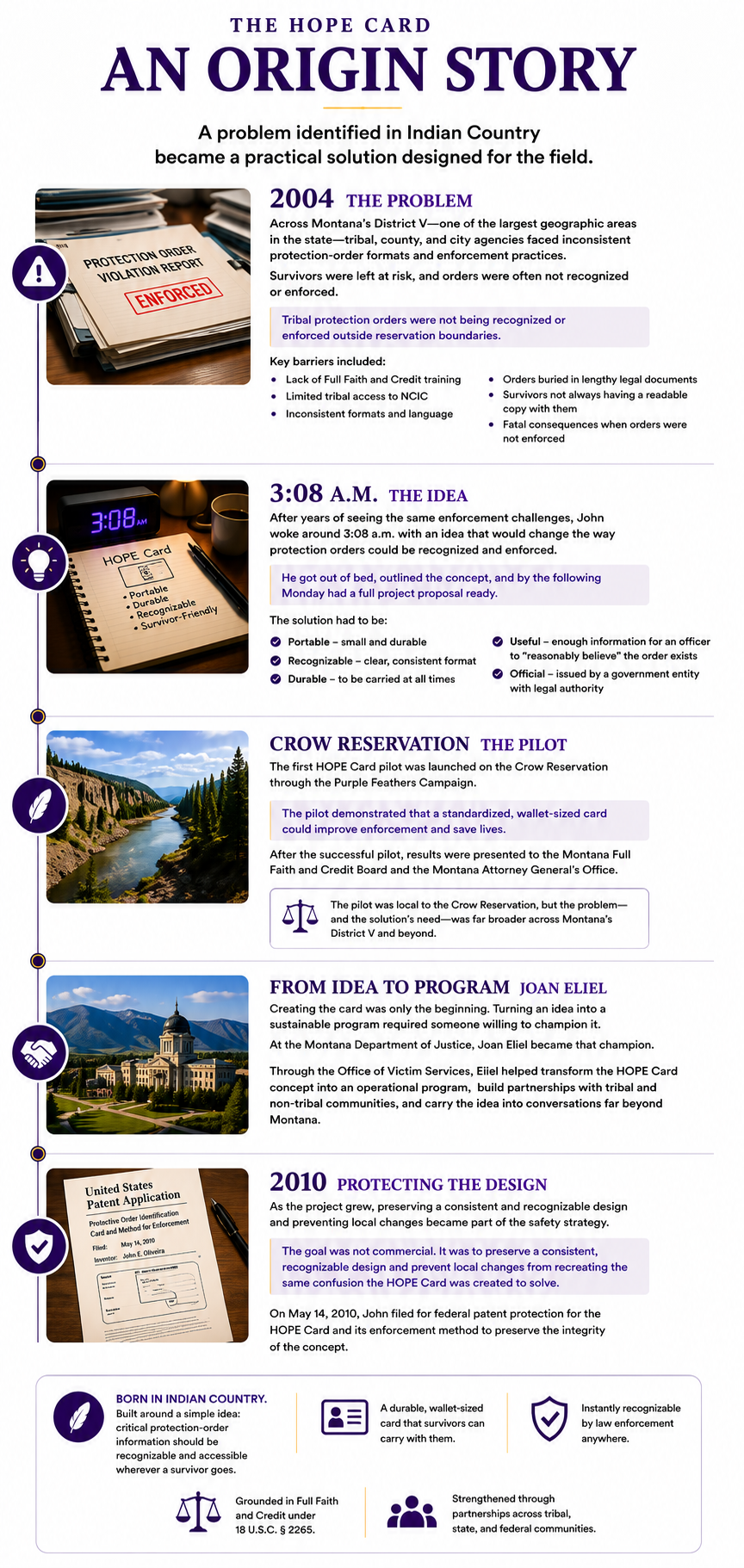
The HOPE Card began with a simple idea: critical protection-order information should be recognizable and accessible wherever a survivor goes. Today, Dakota Oliveira carries that mission forward through the HOPE Card Project.
Dakota Oliveira's work sits at the intersection of survivor advocacy, intimate partner violence prevention, research, and systems change.
As an Intimate Partner Violence Specialist with Lutheran Settlement House and the Children's Hospital of Philadelphia's Center for Violence Prevention, Dakota works directly with individuals navigating difficult and abusive relationships. Her work emphasizes survivor empowerment, confidential support, crisis management, and creating environments in which survivors are heard and supported.
Dakota holds a master's degree in Anthropology from University College Cork, where her work developed a particular focus on sexual violence on Native American reservations. Her research examines the cultural, social, and systemic factors that contribute to violence and the ways policy, awareness, and community-driven solutions can strengthen support for survivors.
That combination of direct survivor advocacy and an understanding of the systemic barriers facing Native communities makes the HOPE Card Project a natural extension of her work.
Today, Dakota is helping carry the HOPE Card into its next chapter—connecting jurisdictions, advocates, courts, law enforcement, and communities around a simple principle that has guided the project from the beginning: critical protection-order information should be accessible when and where a survivor needs it.
Request Information
Have questions about the HOPE Card Project or want to learn more about bringing a HOPE Card program to your jurisdiction? Send us a message and we’ll help connect you with the appropriate information and resources.